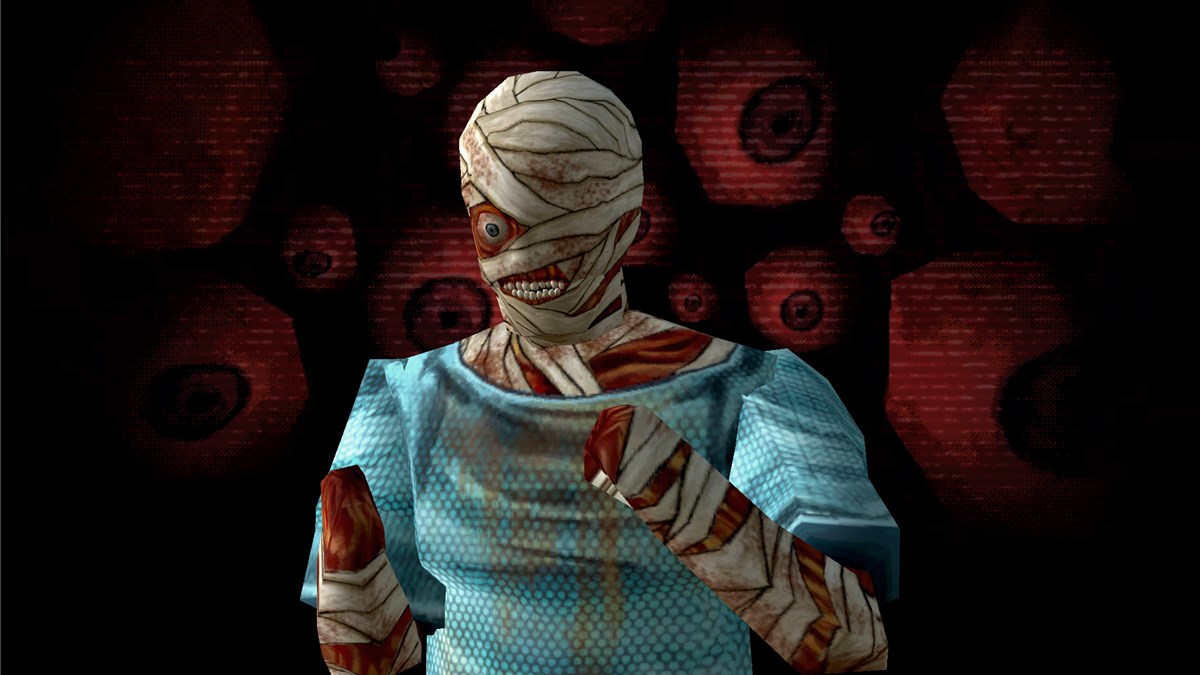
Wrong Organ’s psychological horror game comes to consoles and Xbox Game Pass on October 29. Its first-person view, failing freighter, and environmental clues make the ship itself part of the storytelling, asking players to pay attention to spaces as well as dialogue.
A new console audience gets to board the Tulpar
Mouthwashing arrives on Xbox consoles and Xbox Game Pass on October 29, 2026, with the Xbox listing also naming Xbox One, Xbox Series X|S, PC, and handheld play. Wrong Organ’s psychological horror game follows the crew of a shipwrecked freighter, and the console arrival gives new players a chance to explore its unsettling story on more platforms.
The game’s defining setting is the Tulpar, a damaged ship carrying a crew with dwindling supplies and no rescue on the horizon. Xbox’s description highlights isolation, starvation, and secrets. Those details establish a horror story built around people trapped together, not simply a monster chasing a player through a series of rooms.
This feature article focuses on the design elements publicly described by the developer and platform pages. It avoids plot spoilers and does not claim specific outcomes or interpretations are the only correct reading. The game is known for mature themes, so check the official age rating and content descriptors if you are deciding whether it is right for your household.
First person makes ordinary ship spaces feel personal
Mouthwashing uses a first-person perspective, putting the player close to the narrow corridors and rooms of the freighter. That framing can make familiar ship details feel immediate: a door, a control panel, or a small personal object occupies the same view as the character’s path through the story. The player reads the environment at human scale instead of surveying it from above.
First-person horror often gains tension from limited perspective. You can only see what is in front of you, and turning a corner means giving up awareness of the space behind you. On a ship with confined corridors, that limitation makes simple movement feel charged. The camera is not only a way to control the character; it shapes how much of the story the player can take in at once.
Xbox describes the game as immersive storytelling that asks players to pay attention to their surroundings. That suggests exploration is part of how the narrative is delivered. Instead of waiting for every important detail to arrive in a conversation, players can notice objects and spaces that help them understand the crew’s circumstances. The design rewards curiosity without requiring a conventional journal or quest marker to explain everything.
The Tulpar works as both setting and pressure system
The freighter’s limited space is part of the premise. The crew is isolated, supplies are running out, and power has a finite future. That means the setting is not a neutral backdrop; it is a constant reminder of the group’s material situation. Every room belongs to a ship that is failing, and every conversation takes place inside a place the characters cannot simply leave.
A confined setting can make narrative tension easier to follow because players revisit familiar spaces. A room may feel different after a story event, even if its layout has not changed. Returning to the same corridor with new information encourages players to reinterpret what they saw before. Environmental storytelling works especially well when the location is memorable enough to become part of the cast.
Xbox’s official description calls out a six-month power supply and food running out sooner. Those concrete limits help establish a ticking sense of decline without requiring a giant open world. The ship itself communicates scarcity. Players can pay attention to what has changed, what is missing, and how the crew responds to their surroundings as the situation worsens.
Small details let the player take part in interpretation
The game asks players to pay attention to surroundings, according to its Xbox feature description. That invitation matters because psychological horror often relies on uncertainty. Objects, room layouts, sounds, and visual shifts can create questions before the story offers a clear answer. The player becomes an observer, trying to decide which details are ordinary and which deserve a second look.
This style of storytelling can feel more engaging than receiving every piece of information in a summary. A clue is satisfying when the player notices it, connects it to a conversation, and revises an earlier assumption. Not every detail needs a single symbolic meaning. Some objects make the ship feel lived-in; others may help build atmosphere or reveal how the characters cope with the crisis.
It is also fine to miss something on a first pass. A psychological story can remain effective even if a player does not identify every visual cue immediately. If a room feels important, slow down and look around. If you prefer to move forward, the main story can still carry you. The feature encourages attention without turning every scene into a hidden-object test.
Psychological scares challenge what the player trusts
The Xbox store page labels one of Mouthwashing’s features as psychological scares and uses the line that the player’s eyes are lying. That framing suggests the horror is designed to challenge perception as well as physical safety. A player may need to question what they saw, how it fits with the story, and whether an unsettling image should be taken literally.
Uncertainty can be more effective than constant danger because it invites the player to participate. When a visual detail seems wrong, you decide whether to investigate, wait, or move on. That hesitation becomes part of the experience. The game does not need to explain every image immediately for it to affect the player’s sense of the ship and the crew.
Because this is psychological horror, the story can include disturbing material and intense themes. The platform rating identifies the game as mature, with descriptors including violence, blood and gore, and strong language. Players should check those details before starting. A feature can be artistically effective and still not be comfortable for every audience.
The crew makes isolation a social problem
Mouthwashing follows five crew members, according to Xbox Wire, and its description emphasizes that the group has to endure starvation, isolation, and one another. This turns the ship’s crisis into a relationship story. The horror does not only come from an external threat; it can also grow from how people behave when resources, trust, and time are running out.
A small cast allows a game to give each interaction more weight. A short exchange can reveal tension, avoidance, or a gap between what someone says and what the player has observed. Players may start to look for patterns in who speaks, what gets left unsaid, and how the crew uses shared spaces. That makes character writing and environmental design support each other.
The result is a story that asks players to think about responsibility and survival without reducing every character to a simple role. Xbox’s page uses charged language around leadership and the crew’s fate, but the best way to experience the narrative is to approach it without spoilers. Let the game establish its own context before reading detailed plot explanations.
A good way to play is to notice details without chasing every theory
If you are starting Mouthwashing through Game Pass, take your time in the early sections. Look at the space around you, listen to what the crew says, and notice when a familiar room feels different. You do not need to search online for explanations after every scene. Part of the experience is allowing uncertainty to build before deciding what a detail means.
If the game presents an object or environment as interactable, inspect it and read any context the game provides. If nothing calls for extra attention, keep moving. A balanced pace helps the story land without turning the experience into a checklist. Consider playing in a comfortable setting and taking breaks if the atmosphere becomes overwhelming.
The console and Game Pass arrival makes Mouthwashing easier to try for players who missed its PC release. Its design is built around a focused setting, first-person observation, and psychological unease. Those ingredients make the Tulpar feel like a place with a history, not a corridor between cutscenes. Pay attention, stay open to interpretation, and let the crew’s story unfold at its own pace.
CHECK THE ORIGINALS.
Facts and update details above are based on these official sources. Details can change as the game is updated.
- Mouthwashing on Xbox ↗Xbox / CRITICAL REFLEX
- Three CRITICAL REFLEX Hits Are Coming to Xbox ↗Xbox Wire / CRITICAL REFLEX
- Mouthwashing official announcements ↗Wrong Organ / Steam
Loading comments…